Showing posts with label Vinayaka chathurthi recipe. Show all posts

Saturday, 8 October 2016

Whole Bengal Gram or Kala Channa Sundal (கொண்டைக்கடலை சுண்டல்)

I have already shared several sundal recipes on Rathika’s Nest. However, the list is incomplete without this traditional recipe, often made during festival days such as 'Navarathri' and 'Vinayaka Chaturthi'. Chickpeas or whole Bengal gram – black variety, also called ‘kala channa’ is smaller and darker than the Kabuli channa and tastes slightly different.

Ingredients:
Whole Bengal gram/ Kala channa (கொண்டை கடலை) – ¾ tumbler or 150 ml
Salt – to taste
Coconut – grated, 2 tablespoons
Red chilies – 2 no
Oil – 2 teaspoons
Mustard seeds – 1 teaspoon
Split urad dhal – 1 teaspoon
Asafoetida – a generous pinch
Curry leaves – a few
 
Whole Bengal Gram or Kala Channa Sundal (கொண்டைக்கடலை சுண்டல்)
Method: Wash and soak whole Bengal gram in sufficient water overnight. Later drain and pressure cook whole Bengal gram with required salt and ½ tumbler or 100ml of water for 7 minutes or 7 whistles. Once the pressure subsides, remove chickpeas from the cooker. Drain excess water and keep aside.

Heat oil in a kadai, add mustard seeds and when they start to sputter, add urad dhal. Fry till the dhal turns golden brown. Add the cooked whole Bengal gram and asafoetida. Sauté on low flame till the excess water is absorbed. Now add coconut gratings. Sauté for 2 minutes and then, switch off the fire. Garnish with curry leaves. Serve hot.

Click here for more sundal recipes.


If you like this post, please share it with your friends, followers or contacts, by just clicking the 'Face book', 'Twitter', ‘Pinterest’ or 'Google +’ icons you see below the post. Feel free to post your comment/ feedback. Your support is greatly appreciated. Thank you!

Wednesday, 28 October 2015

Coconut Poli (தேங்காய் போளி)

Poli (போளி) is a sweet that is served along with the traditional meal on festival days, especially on ‘Aavani avittam’ (ஆவணி அவிட்டம்) and ‘bhogi’ (போகி) festival, though some prefer to make it on ‘Vinayaka chathurthi’ (விநாயக சதுர்த்திand ‘Diwali’(தீபாவளி). Poli is often included in the wedding feast menu as well. This sweet has an outer covering made of all purpose flour enclosing an inner layer of filling called ‘pooranam’ (பூரணம்) either made of Bengal gram dhal or coconut. Traditionally jaggery is used as a sweetener; however, sugar may also be used. Poli also makes a great dessert or snack. I still have the warm memories my grandmother making polis during holidays for us grand children to enjoy! Let’s follow the step-by-step instructions and make delicious polis. Are we ready?

Ingredients: (makes approximately 8 polis)
For the pooranam or filling:
Coconut – white meat of half a coconut
Jaggery – powdered, ½ teacup or 100ml measure
Cardamoms – 3 no

For the covering:
All purpose flour or maida – 1 teacup or 200ml measure
Salt – 2 generous pinches
Gingelly oil – 2 tablespoons
Oil – for making poli
Ghee – for cooking poli

Method – How to make coconut filling or thengai pooranam (தேங்காய் பூரணம்): Remove cardamom seeds and powder them using the mortar and pestle. Cut the white meat of coconut into small pieces. Grind the coconut meat using the mixer grinder, preferably by turning whipper button 2-3 times. Keep aside. 

Heat powdered jaggery with ¼ teacup (50ml) of water in a kadai. Stir occasionally till jaggery is dissolved fully. Switch off the stove and filter through a sieve to remove impurities. Now heat the filtered jaggery solution in the kadai and bring it to boil. Allow it to boil for a minute. Add the grated coconut and cardamom powder. Mix well and cook on low flame till the water is fully absorbed and the contents start to separate from the sides of the kadai (Fig.1). Switch off the stove and allow it to cool. Later divide the pooranam into 8 equal parts and keep aside.

Fig.1: Thengai pooranam (தேங்காய் பூரணம்)
How to make the covering: Mix all purpose flour, salt and required water in a bowl, and knead the contents into smooth dough. Add oil little by little and knead very well. The dough should be of rolling consistency. Cover the dough with a wet cloth and allow it to stand for about 15-20 minutes. Later divide the dough into 8 equal parts and shape them into balls. Keep aside.

How to make the poli: Place one dough ball on a plate (Fig.2). Traditionally plantain leaf (வாழை இலை) is used for this purpose.

Fig.2: Dough for the covering
Smear your fingers with oil and flatten the dough ball with your fingers into a circle of 4” diameter. Place a portion of pooranam in the center (Fig.3)

Fig.3: Coconut filling placed on the dough layer
Bring the edges of the dough layer over the pooranam as shown in the figure to cover the filling fully (Fig.4).

Fig.4: Coconut filling covered by dough layer on all sides
Apply little oil and flatten the ball with your fingers into a circle of 7-8” diameter (Fig.5), while taking care that the filling does not come out of the covering dough layer. Over all, the poli should be of uniform thickness. Repeat the process with remaining dough balls.

Fig.5: Dough layer containing pooranam flattened to form poli
Heat a tava on medium flame. Place one poli in the center, smear the surface with ghee. Turnover and apply ghee on the other surface as well. Continue to cook by turning the poli as required, till brown spots appear on both sides. Remove from the tava and cook the remaining polis in the same way. Serve hot either alone as a snack/ dessert or as part of the traditional feast menu.

Coconut Poli (தேங்காய் போளி)
If you like this post, please share it with your friends, followers or contacts, by just clicking the 'Face book', 'Twitter', ‘Pinterest’ or 'Google +’ icons you see below the post. Feel free to post your comment/ feedback. Your support is greatly appreciated. Thank you!

Saturday, 3 October 2015

Kozhukattai (கொழுக்கட்டை)

Kozhukattai (கொழுக்கட்டை) is a special delicacy made on ‘Vinayaka chathurthi’ (விநாயக சதுர்த்தி) day, though some make it on other auspicious days as well. It is nothing but rice flour dumpling made with different types of fillings. Traditionally, kozhukattai is prepared in a rather elaborate method. However, nowadays with the availability of ready-to-use rice flour, the preparation of this snack has become simpler. Kozhukattai can be made with fillings such as sweet coconut mix (தேங்காய் பூரணம்), spicy urad dhal paste (உளுத்தம் பூரணம்), sesame seeds mix (எள் பூரணம்) and sweet dhal mix (பருப்பு பூரணம்). Of these, most popular ones are sweet coconut and spicy urad dhal fillings. Kozhukattai is a tasty and rich snack. Following recipe works well for me. Why don’t you give it a try?

Ingredients:

For the covering: (makes approximately 20 kozhukattais)
Raw rice flour – 1½ teacup*
Water – 1¾ cup
Gingelly oil – 1 tablespoon
Salt – ¾ teaspoon (adjust to taste)
Gingelly oil – for making the coverings

*Buy any brand of kozhukattai flour available in the shops.

For the sweet coconut filling:
Coconut – white meat of half coconut, grated
Jaggery – ½ teacup or 100ml measure (adjust to taste)
Cardamom – 3 no
Water – ¼ teacup or 50ml measure

For the spicy dhal filling:
Black gram dhal or urad dhal – ¼ teacup or 50ml measure
Bengal gram dhal or channa dhal – 1 teaspoon
Green chilies – 1-2 no (adjust to taste)
Salt – to taste
Cooking oil – 1 tablespoon
Mustard seeds – ½ teaspoon
Curry leaves – a few
Asafoetida – a generous pinch 

 Kozhukattai (கொழுக்கட்டை)
How to prepare sweet coconut filling: Grate the white meat of coconut finely. Alternatively, you may cut the white meat into smaller pieces and grind in the mixer using the whipper option. Remove cardamom seeds and powder them finely. Keep aside.

Heat powdered jaggery with ¼ teacup (50ml) of water in a kadai. Stir occasionally till jaggery is dissolved fully. Switch off the stove and filter through a sieve to remove impurities. Now heat the filtered jaggery solution in the kadai and bring it to boil. Add the grated coconut and cardamom powder. Mix well and cook on low flame till the water is fully absorbed and the contents start to separate from the sides of the kadai (Fig.1). Switch off the stove and allow it to cool.

Fig.1: Sweet coconut filling (தேங்காய் பூரணம்)
How to make spicy dhal filling: Wash and soak urad dhal and channa dhal in sufficient water 2 hours. Later drain the water, wash once again and drain fully. Grind the dhal with green chillies, salt and asafoetida into a coarse paste. Steam the paste for 10 minutes in a pressure cooker or a kitchen steamer.

Fig.2: Steamed urad dhal paste
Let it cool and later, crumble it with your hands. Heat oil in a kadai, add mustard seeds and when they start to sputter, add the crumbled dhal paste. Saute for 2-3 minutes on low flame. Garnish with curry leaves (Fig.3). Keep aside.
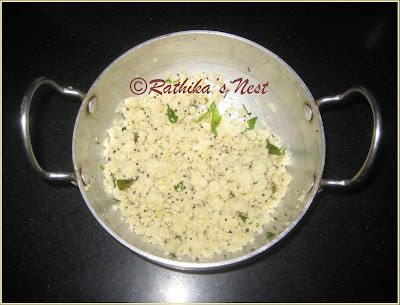
Fig.3: Spicy urad dhal filling (உளுத்தம் பூரணம்)
How to prepare the kozhukattai covering – Traditional method: Wash and soak raw rice for 4-5 hours. Drain fully, spread on a clean cloth and dry in the shade overnight. Next morning finely powder the rice using the mixer-grinder. Pass through a fine sieve to remove any larger particles. Traditionally, this freshly made flour is used for making kozhukattai.

Short-cut method: You may use the ‘kozhukattai’ flour available in the market. Mix rice flour and salt with the specified quantity of water to form a thick paste. Add in gingelly oil and mix well. 

Fig.4: Rice flour mixture
Heat this mixture on medium flame stirring continuously till the paste thickens and separates from the sides (Fig.5). Switch off the fire. Cover and keep aside.

Fig.5: Cooked rice paste
Note: While making kozhukattai, always keep the remaining flour paste covered, lest it will dry up and you will find it difficult to spread the paste.

How to make kozhukattai: Smear your palms with gingelly oil. Take a lemon sized ball of rice paste and flatten it into a circle of around 4” diameter. Place a large gooseberry sized ball of coconut filling in the center (Fig.6). 

Fig.6: Coconut filling placed in the center of the flattened rice paste
Bring the edges of the covering on top of the coconut filling and press the edges together. You may use a kozhukattai mould to shape the kozhukattai (Fig.7). Repeat the process till the coconut filling is fully used up.

Fig.7: Use a mould to shape sweet kozhukattai
Take a large lemon sized ball of rice paste and flatten it into a circle of around 5” diameter. Place 2 teaspoons of dhal filling on one half of the circle. Bring the other half over to cover the filling and seal the edges by pressing them together. Use a different mould such as ‘somas mould’ to shape kozhukattai (Fig.8). This way you would be able to differentiate sweet and spicy varieties after steaming. Repeat the process till you use up both rice flour paste and spicy dhal filling.

Fig.8: Use 'somas' mould to shape spicy kozhukattai
Smear oil on steaming trays of either idly or idiappam mould; arrange the kozhukattais on the trays (Fig.9).

Fig.9: Kozhukattais ready for steaming
Steam for 7-10 minutes using a pressure cooker or idly cooker. Switch off the stove, remove from the cooker and serve hot.   

If you like this post, please share it with your friends, followers or contacts, by just clicking the 'Face book', 'Twitter', ‘Pinterest’ or 'Google +’ icons you see below the post. Feel free to post your comment/ feedback. Your support is greatly appreciated. Thank you!